
In an AI-driven world, taste is the ultimate currency
It's no longer about generating ideas; it's about knowing which ideas deserve attention and why.
This story is part of AI’M SCARED, a series in which we explore the impact – good and bad – of AI on fashion and the creative industries. Read more on the topic here: Digital models are fashion's latest nightmare.
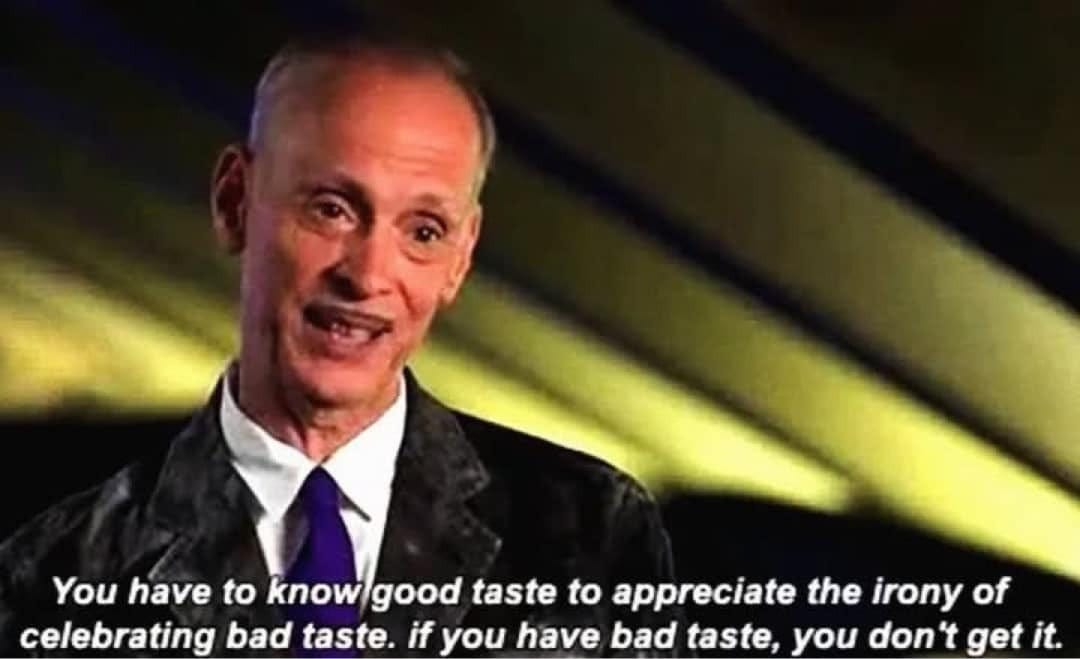
AI can design, write, compose, and code at scale. It’s now easy – frighteningly so – to make things. But the easier it gets, the noisier things become, and navigating that noise, curating meaning, elevating the best, and rejecting the rest is a human job. The ability to say, “This is the one that matters” is taste. And that will become the most valuable decision-making skill of our time.
Taste, that elusive mix of discernment, instinct, and context, may soon outrank intelligence, speed, or even creativity in our AI-augmented future. Because in a world where machines can generate anything, the question will no longer be what is possible but what is worth doing.
AI is a mirror, not a compass
We used to live in a world where the hardest part was making something: writing code, designing covers, composing music. Now, those barriers are collapsing. AI doesn’t just help; it executes faster than humans ever could. But it still lacks the why; it cannot decide where or why to begin or what to pursue next. It reflects what's been done before; it’s a mirror, never a compass.
And in a world full of mirrors, someone with a strong sense of direction, a North Star, is invaluable. That North Star is taste. Editors, creative directors, founders, and curators: their role is no longer about endless idea generation. It's about knowing which ideas deserve attention and why. AI offers infinite possibilities, but only human taste can determine what's truly worth pursuing.
What is taste, really?
Taste isn’t just an opinion. It's a skill built through exposure, study, critical thinking, and lived experience. It’s cultural fluency, emotional intelligence, historical awareness, and a sensitivity to quality that isn’t always easy to explain. Most people think they have it; few genuinely do. Think of taste as a mix of three overlapping abilities:
Discernment: Seeing the difference between surface polish and substance. Contextual awareness: Knowing how a thing fits into a wider world, culturally, historically, and ethically. Conviction: Having the courage to say this is what matters, even when the crowd hasn’t caught on yet. Taste is slow to build and painful to fake, which is exactly why it matters more in a world speeding toward generative infinity.
Machine taste already exists
Of course, machines are already shaping taste. The TikTok algorithm is arguably the most powerful taste-making force on Earth. Spotify’s recommendation engine builds our music diets. Netflix's thumbnails tell us what we should want to watch. This is taste, too – but it’s aggregative, not intuitive. It’s pattern-based, not imaginative. And most importantly, it’s driven by feedback loops, not forward vision. Machine taste reflects the past. Human taste, at its best, imagines the future.
Taste is slow – and that’s why it’s powerful
Everything about AI pushes us toward speed: rapid ideation, faster iteration, frictionless production. But taste resists this pace. Taste takes time. It involves living with things. Reflecting. Knowing the context behind the content. In an AI-powered world, everyone will have access to the same tools. Taste will be the differentiator. It cannot be mass-produced or instantly acquired. Instead, it must be carefully cultivated. It will decide who makes the future and who merely consumes it.
The problem: taste is rare
Let’s be honest: most people don’t have great taste. Most of us follow it. Mimic it. Buy into it. But the ability to shape taste – to influence culture rather than echo it – is rare. Even more uncomfortable is that taste is often entangled with privilege: access to references, education, cultural capital. Algorithms don’t fix this. They flatten it. They reward what’s popular, not what’s meaningful. Great taste doesn’t just happen. It’s not enough to be exposed to beautiful things. You build it by questioning why certain things resonate, learning what to keep, what to discard, and what truly deserves attention. In an era of AI-driven content, taste isn’t about flawless polish. It's about having a distinct point of view.
How to build taste in an AI world
If taste is the next frontier, the obvious question is: how do you get better at it? Well, there are a number of things you can do. Start by exposing yourself to excellence. Seek out work that stands the test of time. Classics, masterpieces, and boundary-pushing ideas.
Surround yourself with people and projects that set a high bar. The more greatness you experience, the sharper your taste becomes.
Challenge your algorithm: It feeds you more of what you already like. Break that loop. Seek out the unfamiliar, the uncomfortable.
Study history and context: Taste is rarely ahistorical. Learn the roots of movements, designs, ideas. The deeper the roots, the sharper the judgment. Compare and contrast: Don’t just scroll. Ask why something works – or doesn’t.
In your own work, try to collaborate with people who intimidate you: Taste sharpens in friction. Work with people whose vision pushes you out of your defaults. Slow down: Not everything needs to be made now. Pause. Reflect. Decide with intention, not just instinct. Meaning takes time.
Taste is power, but it comes with responsibility
In an AI-saturated world, taste is the last human advantage. But it’s also a responsibility. Because once the floodgates are open, what gets greenlit – what gets amplified – carries weight. The person who curates is also the person who shapes the culture we all live in. So the real question isn’t just: do you have taste? It’s: what are you using it for?
By Olya Kuryshchuk


