

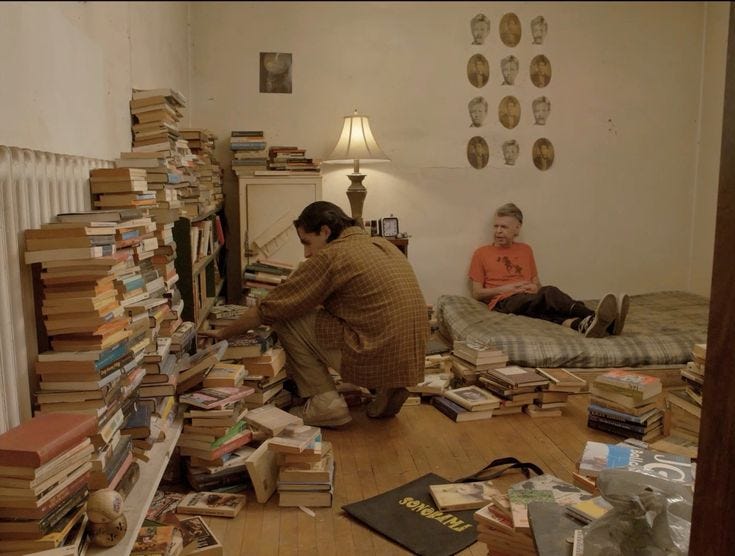
Instagram is to photo research what Pret is to lunch. It may be convenient, reliable, and comfortingly predictable, but it will never challenge you, alter the path of your day, or teach you something new about the form. Perhaps that is beyond the scope of a lunch, when the form is mostly soup and sandwich, but with photographic references, there’s a lot to be gained from pushing past the instinctive tendency to just keep scrolling and swiping.
For 1 Granary’s Slow August, we’re encouraging everyone – including ourselves – to extrapolate themselves from the tentacles of the feed as much as humanly possible. For anyone in search of new references, this is your sign to turn on Opal, Brick, or whatever app introduces enough friction between you and Instagram to spend a day offline.
In London, you could visit HYMAG, the world’s biggest archive of magazines. Or do a crawl through independent book shops like Climax, Claire de Rouen, Donlon, John Sandoe, Artwords, magCulture, Tenderbooks, IDEA, or Books Peckham. There’s the reading rooms and research areas of The East London Photographers Archive in Liverpool Street. Hey, you could even try and volunteer at the V&A Royal Photographic Society collection.
Or there’s many less obvious choices. The Warburg Institute in Bloomsbury is dedicated to the study of images in society, with a library containing around 400,000 analogue photographs of sculptures, paintings, drawings, prints, tapestries, and other forms of imagery. Then Sir John Soane’s Museum is just round the corner, a vast Georgian townhouse suspended in time, containing a perfectly preserved collection of eccentric artworks, sculptures, pieces of furniture, and other ephemera.
But this is not an exhaustive list of everywhere you could visit in London. Instead, we wanted to use it as an opportunity to ask three people in the business of finding new visual references how they balance online and offline research and where they go in search of creative inspiration.
Isabella Brunner
Isabella Brunner is a visual researcher and picture editor whose practice centres on building worlds and establishing the tone of a project, collaborating with photographers, directors, artists and publications like British Vogue. Her work ranges from analysing cultural trends for brands to help shape visual identities, to sourcing material from historical archives for contemporary artists to define the concept behind a story. After studying painting at university, she worked across fashion in editorial, styling, casting and production before realising picture editing combined everything she was interested in.
“We are drowning in images, so it’s hard. Personally, I single out images that make me pause. The saturation of visuals can lead to predictable imagery, so I like to look for photographs that could have a story in them, big or small, and evoke a visceral reaction. Using Instagram is something I’m personally battling with at the moment. When I’m working I like to force myself to move away from it where possible. Of course, it’s good for finding talent and real-time new work, but I have to fight myself not to use it as my foundation for research.
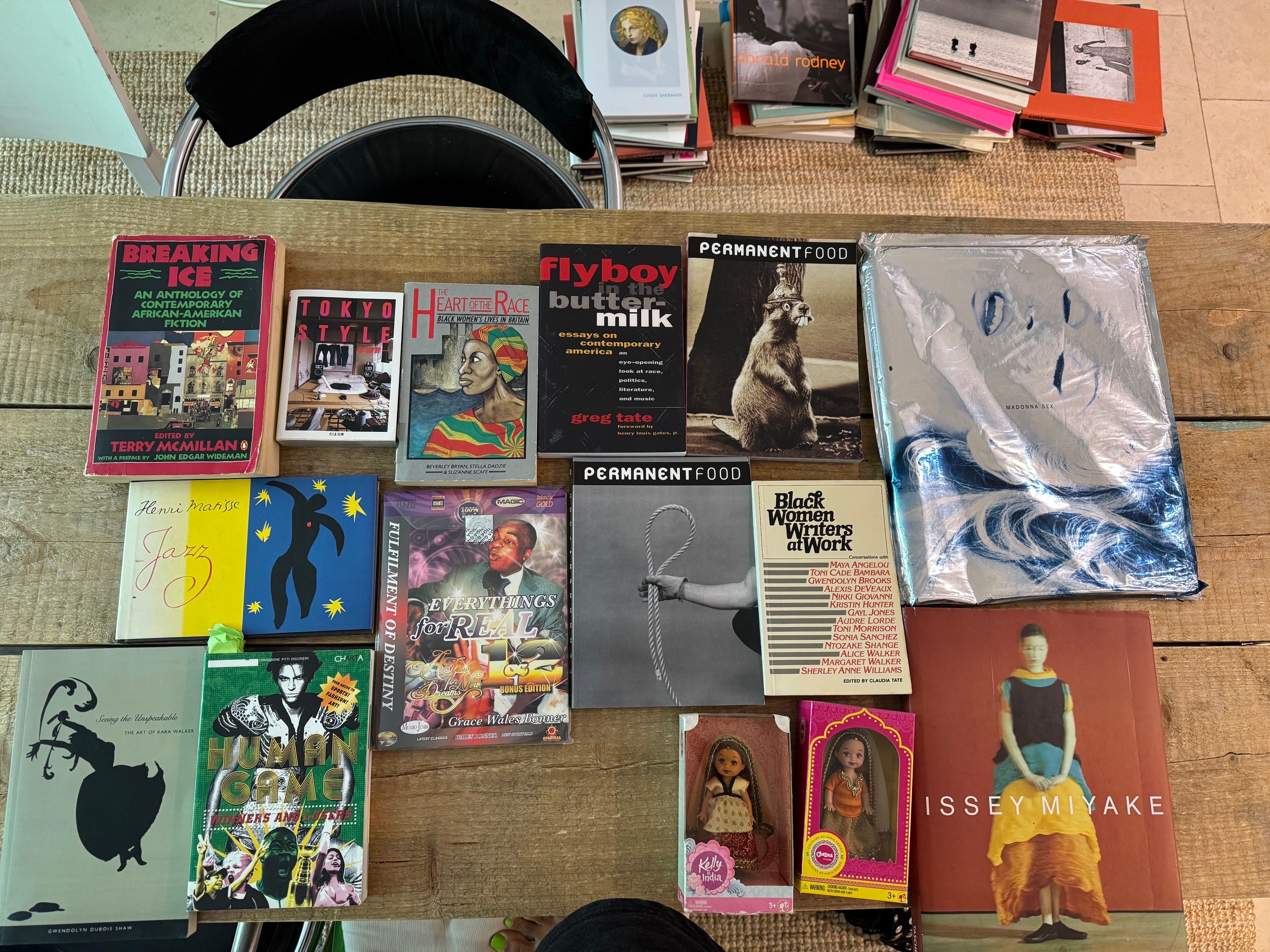
Managing what you are consuming online can keep your mind healthy, so I try to go back to my library of books and magazines as much as possible. It’s hard, but I will always find something I’ve missed that I can use in at least one of them. It’s a happy accident, stumbling across something you haven’t noticed before. I also try not to search for things using obvious words. I use abstract descriptions to push back against the algorithm, and I rely on human interaction and curation wherever I can because the algorithm lacks any real cultural context.”
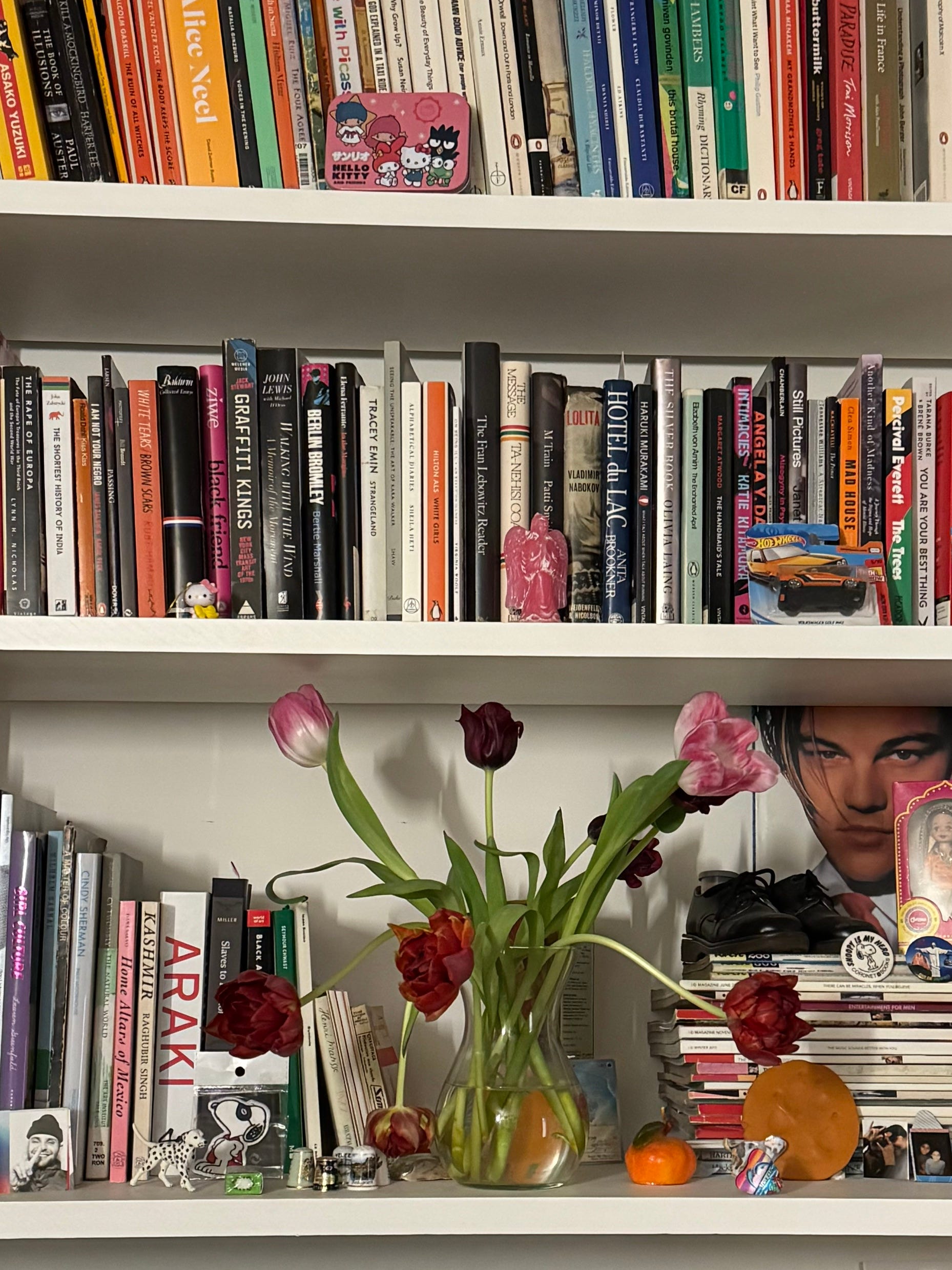
Unexpected source of inspiration: “I have a collection of postcards I’ve been building since I was a teenager, and I like to refer to them if I feel stuck because they can take me down a rabbit hole to places I might not have found otherwise. I also focus a lot on colour, training my eye to notice combinations that work together or completely clash.”
Favourite reference: “I refer a lot to Miguel Rio Branco’s work, and one of the books I’ve been using a lot recently is Human Game: Winners and Losers, an exhibition catalogue from Stazione Leopolda in 2006 about sport, art and fashion, and the influence they hold together in society.”